

Introduction:
Your skin is more than just a covering; it’s a canvas that reflects your health, lifestyle, and environment. Just like fingerprints, each person’s skin is unique, with its own set of characteristics and needs. Understanding your skin type is the first step in developing a personalized skincare routine that caters to its specific requirements. Let’s embark on a journey through the diverse spectrum of skin types, from dry to acne-prone, and learn how to nurture each one with care and compassion.
Table of Contents
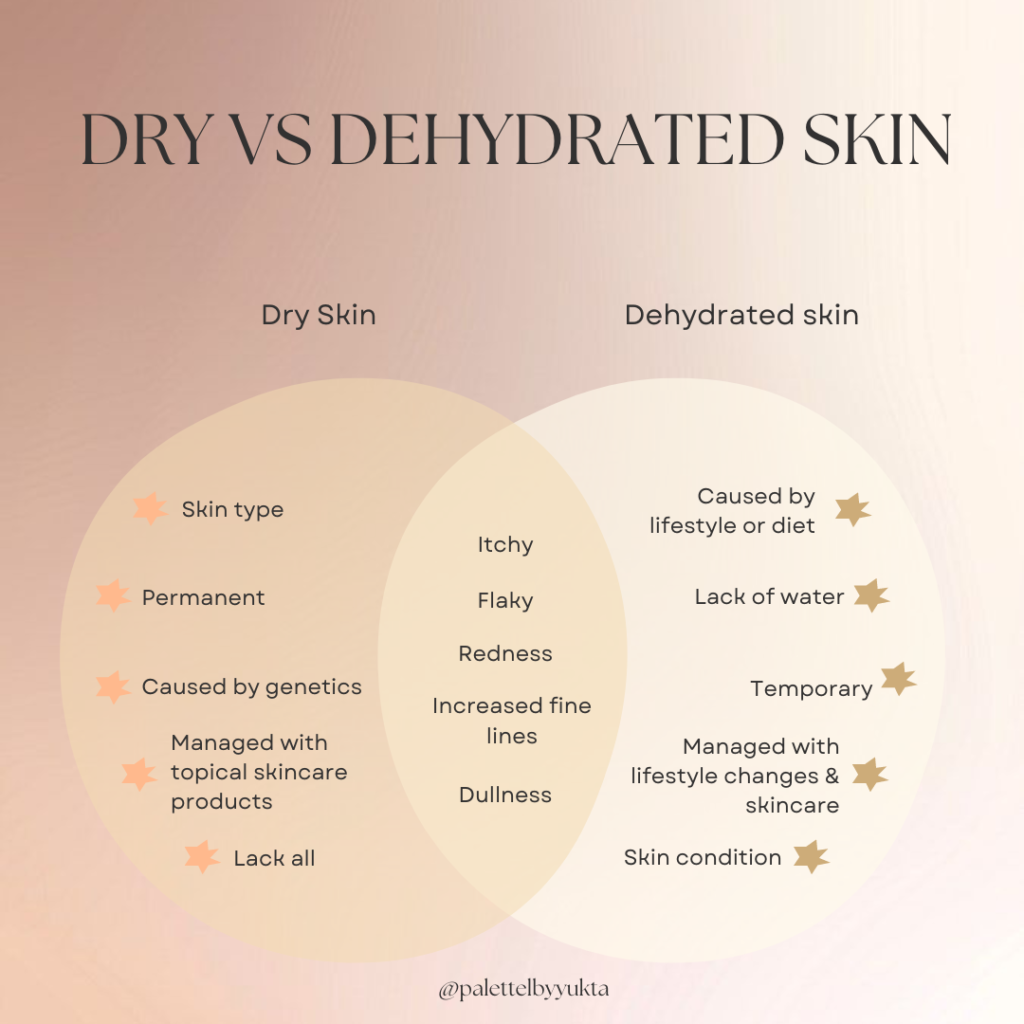
Dry Skin: Thirsty for Hydration
Dry skin is like a desert, lacking in moisture and prone to tightness, flakiness, and dullness. Individuals with dry skin may experience discomfort, especially in harsh climates or after using harsh skincare products. The key to caring for dry skin is hydration. Look for gentle, creamy cleansers and rich moisturizers containing hydrating ingredients like hyaluronic acid, glycerin, and natural oils. Incorporating a hydrating serum or face oil into your skincare routine can also provide an extra layer of nourishment and protection.
Oily Skin: Balancing Act
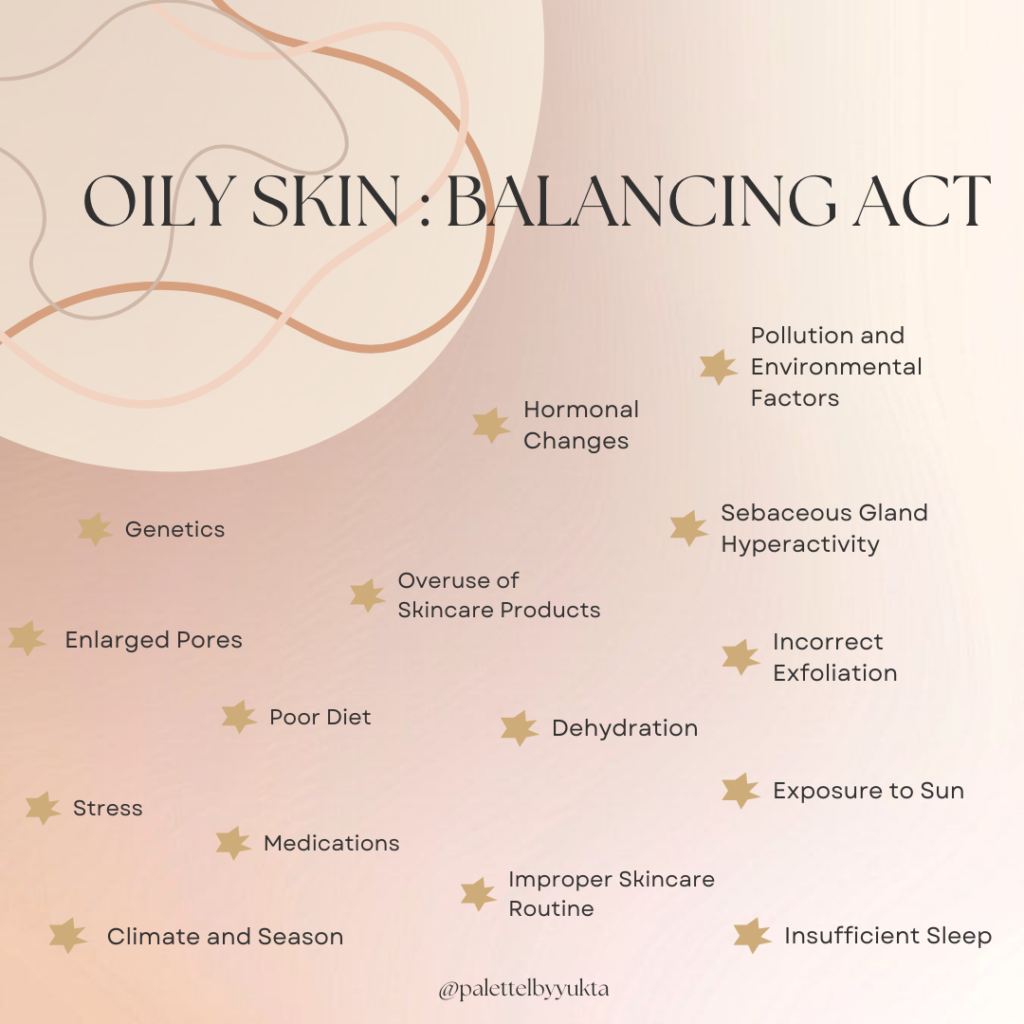
On the opposite end of the spectrum lies oily skin, characterized by excess sebum production, enlarged pores, and a shiny complexion. While oily skin can be frustrating, especially when dealing with frequent breakouts, it also has its advantages, such as delayed signs of aging. The goal of managing oily skin is to strike a balance by controlling excess oil production without stripping the skin of its natural moisture. Opt for gentle, foaming cleansers and oil-free, non-comedogenic moisturizers. Incorporating products with ingredients like salicylic acid, niacinamide, and glycolic acid can help regulate oil production and minimize the appearance of pores.
Combination Skin: The Middle Ground
Combination skin presents a unique challenge, with some areas of the face being oily while others are dry or normal. Typically, the T-zone (forehead, nose, and chin) tends to be oilier, while the cheeks are drier. Finding the right balance for combination skin involves using targeted skincare products that address the specific needs of each zone. Consider using a gentle cleanser followed by a lightweight, oil-free moisturizer for the oily areas and a richer moisturizer for the dry areas. Additionally, incorporating products with multi-tasking ingredients like niacinamide and hyaluronic acid can help balance and hydrate combination skin effectively.
Sensitive Skin: Handle with Care
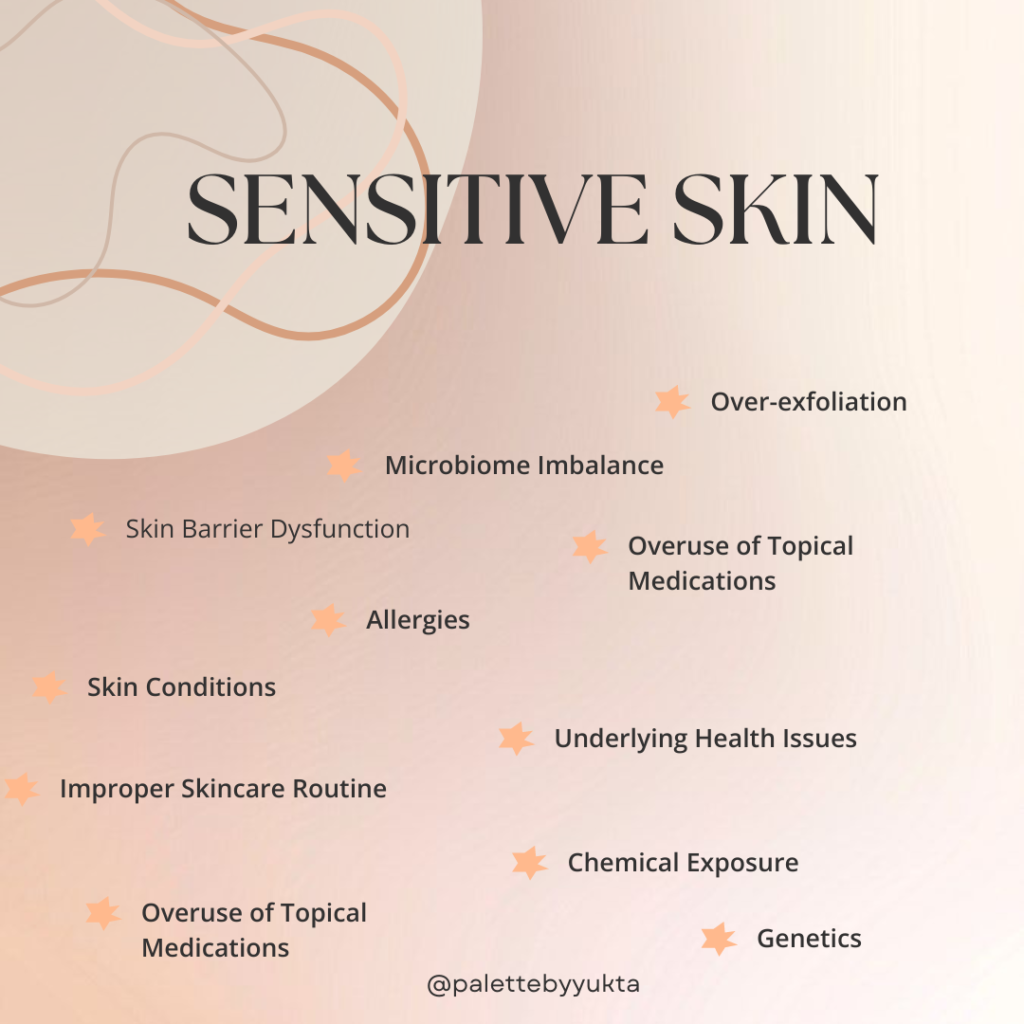
Sensitive skin is like a delicate flower, easily irritated by external factors such as harsh weather, fragrances, and certain skincare ingredients. Individuals with sensitive skin may experience redness, itching, and inflammation in response to various triggers. When caring for sensitive skin, it’s essential to choose gentle, fragrance-free products formulated specifically for sensitive skin types. Look for soothing ingredients like aloe vera, chamomile, and oatmeal, and avoid products containing alcohol, artificial fragrances, and harsh chemicals. Patch testing new products before applying them to your face can also help prevent adverse reactions.
Acne-Prone Skin: Breaking the Cycle
Acne-prone skin is characterized by frequent breakouts, blackheads, and whiteheads, often resulting from excess oil production, clogged pores, and bacteria. While acne can be stubborn and challenging to manage, adopting a consistent skincare routine can help break the cycle and promote clearer, healthier skin. Start with a gentle cleanser to remove dirt, oil, and impurities without stripping the skin. Incorporate acne-fighting ingredients like benzoyl peroxide, salicylic acid, and tea tree oil to target breakouts and prevent future blemishes. Moisturize with non-comedogenic, oil-free products to hydrate the skin without clogging pores, and don’t forget to wear sunscreen daily to protect against UV damage and prevent post-inflammatory hyperpigmentation.
Mature Skin: Embracing Aging Gracefully
As we age, our skin undergoes various changes, including decreased elasticity, fine lines, wrinkles, and age spots. Mature skin requires extra care and attention to maintain its health, vitality, and youthful appearance. Focus on using anti-aging skincare products rich in antioxidants, peptides, and retinoids to stimulate collagen production, improve skin texture, and minimize the signs of aging. Hydration is key for mature skin, so opt for moisturizers infused with hyaluronic acid and ceramides to plump and firm the skin. Additionally, don’t forget to nourish your skin from the inside out by staying hydrated, eating a balanced diet rich in vitamins and minerals, and getting enough sleep.
Conclusion: Embrace Your Skin’s Unique Journey
Your skin tells a story of resilience, adaptation, and self-discovery. By understanding your skin type and its specific needs, you can embark on a journey of self-care and empowerment. Remember that skincare is not one-size-fits-all, and what works for others may not necessarily work for you. Take the time to listen to your skin, experiment with different products and routines, and don’t be afraid to seek professional advice if needed. Embrace your skin’s unique journey with compassion, patience, and a commitment to nurturing it from the inside out. After all, beautiful skin begins with a healthy foundation built on love and self-care.
Винтовые сваи от Svai-Peresvet: качество и надёжность в каждом элементе
ГК Пересвет: винтовые сваи